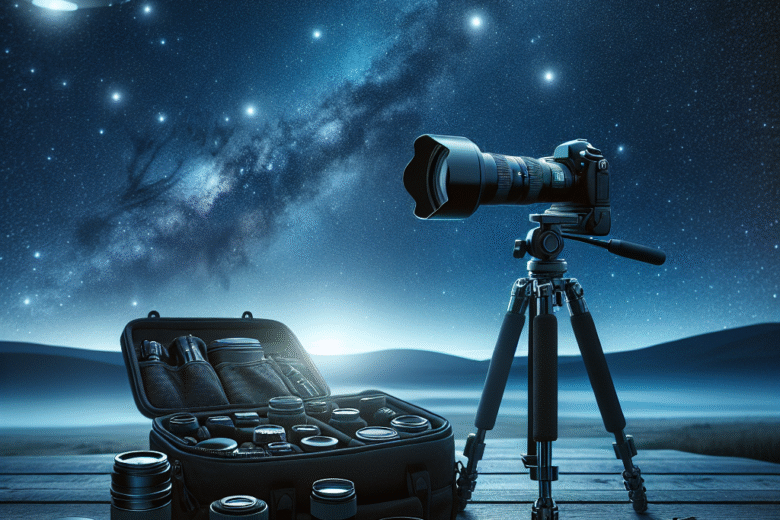
Selecting the Best UFO Photography Equipment for Your Needs
Have you ever gazed up at the night sky, hoping to capture a glimpse of the unknown? UFO photography offers a thrilling avenue to document the unexplained and share your discoveries with the world. But ensuring you have the right equipment is crucial to capturing those elusive moments. In this guide, we’ll explore how to choose the best UFO photography equipment to meet your needs. Get ready to elevate your sky-watching game! 🚀
Table of Contents
1. Understanding UFO Photography
2. Essential Camera Equipment
3. Lenses: Zoom into the Unknown
4. Stabilization: Keeping Your Shot Steady
5. Night Vision and Infrared Technology
6. Accessories to Enhance Your Experience
7. Conclusion
8. FAQs
Understanding UFO Photography
UFO photography is more than just pointing a camera at the sky and hoping for the best. It requires a keen eye and the right tools to capture potential sightings. Whether you’re a seasoned enthusiast or a curious beginner, understanding the fundamentals of UFO photography is essential. This includes knowing the best times and places for sightings, familiarizing yourself with the equipment, and staying updated on recent UFO-related news.
Essential Camera Equipment
When it comes to UFO photography, the camera is your most important tool. Here are some key features to consider:
1. High Resolution
The higher the resolution, the more detail you can capture. Look for cameras that offer at least 20 megapixels to ensure you can zoom in without losing clarity.
2. Fast Shutter Speed
UFOs are known for their speed and unpredictability. A camera with a fast shutter speed (1/2000th of a second or faster) will help you freeze the action and capture clear images.
3. Low-Light Performance
Most UFO sightings occur at night, so a camera with excellent low-light capabilities is critical. Opt for models with large sensors and high ISO performance.
Lenses: Zoom into the Unknown
Choosing the right lens can make all the difference in UFO photography:
1. Telephoto Lenses
Telephoto lenses are essential for capturing distant objects. A lens with a focal length of 200mm or more will allow you to zoom in and get a closer look at potential sightings.
2. Wide-Angle Lenses
While telephoto lenses are great for zooming in, wide-angle lenses capture more of the sky. This is useful for panoramic shots and spotting multiple objects at once.
Stabilization: Keeping Your Shot Steady
Shaky hands can ruin a perfect shot. Ensure your images are crisp with these stabilization solutions:
1. Tripods
A sturdy tripod is a must-have for any serious UFO photographer. It keeps your camera stable, especially during long exposures or when using heavy lenses.
2. Image Stabilization
Many modern cameras and lenses come equipped with image stabilization technology, which helps reduce blur caused by camera movement.
Night Vision and Infrared Technology
To truly excel in UFO photography, consider incorporating night vision and infrared capabilities. These technologies allow you to detect objects that are invisible to the naked eye:
1. Night Vision Cameras
These cameras enhance available light, making it easier to see and capture objects in the dark.
2. Infrared Filters
Infrared filters detect heat signatures and can reveal objects that emit infrared light, providing a new dimension to your UFO hunting.
Accessories to Enhance Your Experience
Don’t overlook these accessories, which can enhance your UFO photography experience:
1. Remote Shutter Release
Avoid camera shake by using a remote shutter release. This tool is invaluable for long exposures and when using a tripod.
2. Extra Batteries and Memory Cards
UFO hunting can be an all-night affair. Ensure you have plenty of batteries and memory cards to avoid missing any potential sightings.
Conclusion
Equipped with the right gear, you’re ready to embark on your UFO photography journey. Remember, patience and persistence are key. Keep your camera ready, and who knows? The next big UFO sighting might just be yours to capture! Happy sky-watching! 🌌
FAQs
Q1: What time of day is best for UFO photography?
A: Most UFO sightings occur at night, so evening to early morning is ideal. However, keep your camera handy during the day too, as sightings can happen at any time.
Q2: Can I use my smartphone for UFO photography?
A: While smartphones can capture some sightings, they lack the zoom and low-light capabilities of dedicated cameras. Consider using a DSLR or mirrorless camera for better results.
Q3: How do I know if I’ve captured a UFO?
A: Look for unusual shapes, movements, and light patterns in your images. Compare them to known aircraft and celestial objects to rule out alternatives.
With the right equipment and a bit of luck, you’ll be well on your way to capturing the mysteries of the universe. 🌠
Looking for a side hustle
Check out one of the best around atm