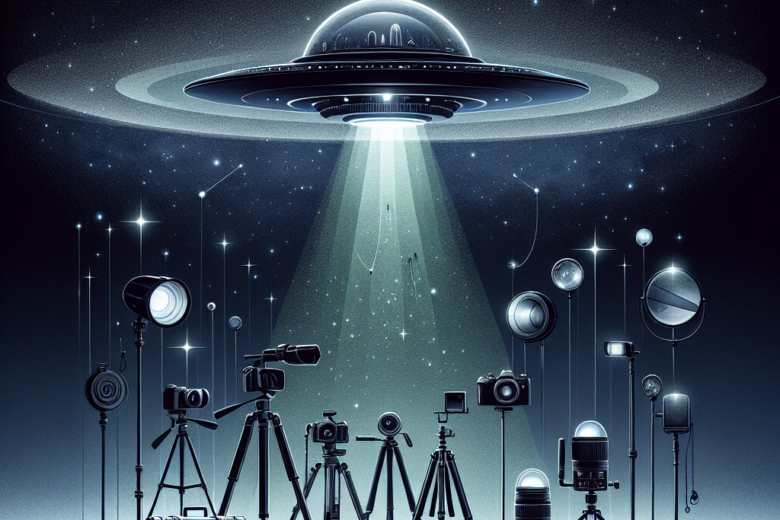
How to Choose the Best UFO Photography Equipment for Any Scenario
Capturing the elusive beauty of unidentified flying objects (UFOs) can be both thrilling and challenging. Whether you’re a seasoned photographer or a curious amateur, the right equipment is key to capturing those mysterious moments. In this guide, we’ll explore how to choose the best UFO photography equipment tailored to various scenarios. Let’s embark on this interstellar journey together! 🚀
Understanding Your UFO Photography Goals
Before diving into the technical details, it’s essential to understand your goals. Are you aiming for high-resolution images, or are you more interested in wide-angle shots that capture the sky’s grandeur? Knowing your objectives will help guide your equipment choices.
Essential Camera Features for UFO Photography
When it comes to UFO photography, not just any camera will do. Here are some key features to look for:
1. High ISO Sensitivity
UFO sightings often occur in low-light conditions. A camera with high ISO sensitivity will allow you to capture clearer images without excessive noise. Look for cameras that offer ISO settings of at least 6400 or higher.
2. Fast Shutter Speed
UFOs are notoriously fast and unpredictable. A camera with a fast shutter speed can freeze motion and help you capture those fleeting moments in crisp detail. Aim for a shutter speed of at least 1/1000th of a second.
3. Long Exposure Capabilities
For those beautiful night sky shots, a camera with long exposure capabilities is essential. This feature allows you to capture more light over time, perfect for photographing UFOs that linger or move slowly.
Choosing the Right Lens
The lens is just as important as the camera body in UFO photography. Here’s what to consider:
1. Zoom Lenses
Flexibility is a must when tracking UFOs. A zoom lens (such as a 70-200mm) offers a wide range of focal lengths, allowing you to quickly adjust your composition as the object moves.
2. Wide-Angle Lenses
To capture the vastness of the sky and any unexpected visitors, a wide-angle lens (like a 24mm) is ideal. This lens type is excellent for landscape shots that include UFOs.
3. Prime Lenses
For those who prioritize image quality over versatility, prime lenses offer superior sharpness and low-light performance. Consider a 50mm or 85mm prime for stunning clarity.
Tripods: Stability Matters
A steady shot is crucial in UFO photography. Here’s why a good tripod is indispensable:
Invest in a sturdy, lightweight tripod that you can quickly set up. This ensures stability, especially during long exposure shots or when using heavy lenses. Look for tripods with adjustable legs to accommodate uneven terrain.
Additional Accessories for UFO Photography
To enhance your UFO photography experience, consider these additional accessories:
1. Remote Shutter Release
A remote shutter release prevents camera shake during long exposures and allows you to capture images without physically touching the camera.
2. Extra Batteries and Memory Cards
UFO hunting can be unpredictable. Ensure you’re prepared by carrying extra batteries and memory cards so you never miss a moment.
3. Lens Filters
Filters like polarizers can enhance contrast and reduce glare, while neutral density filters allow for longer exposures during daylight.
Best Practices for Capturing UFOs
Now that you’re equipped with the right gear, here are some tips to improve your chances of capturing that perfect UFO shot:
1. Scout Your Location
Choose locations with minimal light pollution and an unobstructed view of the sky. National parks and rural areas are ideal spots.
2. Be Patient and Prepared
UFO sightings are rare, so patience is key. Stay alert, keep your equipment ready, and watch the skies diligently.
3. Experiment with Settings
Don’t hesitate to experiment with different settings, including ISO, aperture, and shutter speed, to find what works best for your environment.
Conclusion
Capturing UFOs can be a challenging yet rewarding experience. With the right equipment and a bit of patience, you can document these mysterious phenomena in stunning detail. Remember to stay flexible, keep an open mind, and most importantly, enjoy the journey! 🌌
FAQs
Q: What type of camera is best for UFO photography?
A: A DSLR or mirrorless camera with high ISO sensitivity and fast shutter speeds is ideal.
Q: How important is a tripod in UFO photography?
A: A tripod is crucial for stability, especially during long exposures and when using heavy lenses.
Q: Can smartphone cameras be used for UFO photography?
A: While possible, smartphones typically lack the necessary features for high-quality UFO photography, such as high ISO and fast shutter speeds.
Q: What settings should I use for night photography?
A: Start with a high ISO (3200-6400), a wide aperture (f/2.8 or lower), and a shutter speed fast enough to prevent star trails (around 20-30 seconds).
Looking for a side hustle
Check out one of the best around atm