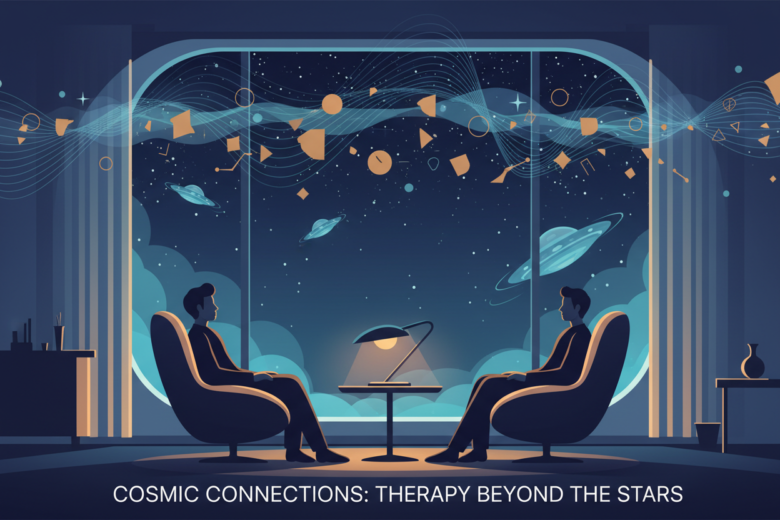
Alien Encounter Therapy: Addressing the Psychological Impact of Extraterrestrial Experiences
Table of Contents
• Understanding Alien Encounter Experiences
• The Psychological Impact of Reported UFO Encounters
• Types of Alien Encounter Therapy
• Therapeutic Approaches and Techniques
• Finding the Right Mental Health Professional
• Building Support Networks and Coping Strategies
• The Role of Validation in Recovery
• Long-term Mental Health Considerations
• Frequently Asked Questions
Introduction
Whether you’re a skeptic or believer, there’s no denying that thousands of people worldwide report having encountered extraterrestrial beings or UFOs. While the debate about the reality of these experiences continues, one thing remains crystal clear: the psychological impact on those who claim such encounters is very real and often profound. 🛸

For many individuals, these experiences—regardless of their origin—can trigger intense emotional responses, trauma symptoms, and significant disruption to their daily lives. This is where alien encounter therapy comes into play, offering specialized psychological support for those grappling with the aftermath of what they perceive as otherworldly contact.
In this comprehensive guide, we’ll explore the unique therapeutic approaches designed to help individuals process and cope with the psychological effects of reported alien encounters, providing insight into both the challenges and healing pathways available.
Understanding Alien Encounter Experiences
Alien encounter experiences encompass a wide range of reported phenomena, from distant UFO sightings to claimed direct contact with extraterrestrial beings. These experiences often include elements such as missing time, medical examinations, telepathic communication, and vivid memories that feel intensely real to the experiencer.

Research suggests that people from all walks of life report such encounters—teachers, engineers, military personnel, and healthcare workers among them. What’s particularly striking is the consistency in emotional responses across different demographics and cultural backgrounds.
The psychological impact doesn’t discriminate based on education level, social status, or prior beliefs about extraterrestrial life. Many experiencers describe feeling isolated, confused, and struggling with questions about reality itself. Some report positive transformative effects, while others experience significant distress and trauma symptoms.
The Psychological Impact of Reported UFO Encounters
The aftermath of reported alien encounters can manifest in various psychological ways. Understanding these impacts is crucial for developing effective therapeutic interventions and support systems.
Many individuals experience what mental health professionals recognize as trauma-related symptoms. These can include intrusive thoughts, nightmares, hypervigilance, and avoidance behaviors. The unique nature of these experiences often compounds the psychological distress because traditional support systems may not understand or validate what the person has gone through.
Post-traumatic stress disorder (PTSD) symptoms are commonly reported, particularly among those who describe more intensive or frightening encounters. Sleep disturbances, anxiety, and depression frequently accompany these experiences, creating a complex web of psychological challenges that require specialized attention.
Perhaps one of the most challenging aspects is the social isolation that often follows. Fear of ridicule, disbelief from loved ones, and concerns about professional reputation can leave experiencers feeling profoundly alone with their memories and emotions.
Types of Alien Encounter Therapy
Alien encounter therapy isn’t a one-size-fits-all approach. Mental health professionals have developed various therapeutic modalities specifically tailored to address the unique psychological needs of this population.
Trauma-Informed Therapy focuses on understanding and treating the trauma symptoms that may result from these experiences. This approach recognizes that regardless of the objective reality of the encounter, the subjective experience of trauma is valid and treatable.
Narrative Therapy helps individuals process their experiences by exploring and reshaping the stories they tell themselves about what happened. This approach can be particularly helpful for those struggling to integrate their experiences into their existing worldview.
Cognitive Behavioral Therapy (CBT) addresses the thought patterns and behaviors that may be causing distress following the encounter. This evidence-based approach helps individuals develop coping strategies and challenge unhelpful thinking patterns.
EMDR (Eye Movement Desensitization and Reprocessing) has shown promise in treating trauma symptoms related to alien encounters, helping individuals process disturbing memories and reduce their emotional impact.
Therapeutic Approaches and Techniques
Effective alien encounter therapy requires therapists who approach these experiences with openness, respect, and clinical expertise. The most successful therapeutic relationships are built on a foundation of non-judgment and genuine curiosity about the client’s experience.
Many therapists employ a phenomenological approach, focusing on the meaning and impact of the experience rather than debating its objective reality. This stance allows for therapeutic progress regardless of one’s beliefs about extraterrestrial life.
Grounding techniques are often essential, helping individuals who may feel disconnected from reality or their bodies following their experiences. Mindfulness practices, breathing exercises, and sensory awareness activities can help restore a sense of safety and control.
Group therapy sessions specifically for alien encounter experiencers have proven particularly valuable. These settings provide peer support, reduce isolation, and offer opportunities to share coping strategies with others who have had similar experiences.
Finding the Right Mental Health Professional
Locating a therapist who is both qualified and open to working with alien encounter experiences can be challenging. Not all mental health professionals are comfortable or experienced in this specialized area of practice.
When searching for a therapist, look for professionals who demonstrate openness to unusual experiences and have experience with trauma treatment. Some therapists specifically advertise their willingness to work with “anomalous experiences” or “high strangeness” encounters.
Professional organizations like the International Association for Near-Death Studies (IANDS) and similar groups often maintain referral lists of therapists who work with extraordinary experiences. Additionally, some therapists specialize in what’s called “spiritual emergency” or “transpersonal psychology,” which may include alien encounter experiences.
During initial consultations, pay attention to how the therapist responds to your experience. Do they seem genuinely interested and non-judgmental? Are they asking thoughtful questions about your feelings and reactions rather than focusing solely on the “reality” of what happened?
Building Support Networks and Coping Strategies
Healing from the psychological impact of alien encounters often requires more than individual therapy. Building a robust support network and developing personal coping strategies are equally important components of recovery.
Online communities and support groups specifically for alien encounter experiencers can provide invaluable peer support. These platforms offer safe spaces to share experiences, ask questions, and connect with others who understand the unique challenges involved.
Developing healthy coping mechanisms is crucial for long-term well-being. This might include creative expression through art or writing, physical activities that help process trauma, or spiritual practices that provide meaning and comfort.
Many individuals find that keeping a journal helps them process their experiences and track their emotional healing over time. Writing can serve as both a therapeutic outlet and a way to identify patterns in thoughts and feelings.
The Role of Validation in Recovery
One of the most healing aspects of alien encounter therapy is the validation it provides. For many experiencers, simply having their emotions and reactions taken seriously by a mental health professional can be profoundly therapeutic.
Validation doesn’t require belief in the literal truth of the encounter—it means acknowledging that the person’s experience was real to them and that their emotional responses are understandable and treatable. This distinction is crucial for both therapists and clients to understand.
The process of validation often extends beyond the therapeutic relationship. Many individuals find healing through connecting with family members or friends who can offer support without judgment, even if they don’t share the same beliefs about what happened.
Long-term Mental Health Considerations
Recovery from the psychological impact of alien encounters is often an ongoing process rather than a destination. Understanding this can help set realistic expectations and reduce frustration during difficult periods.
Some individuals experience what researchers call “post-traumatic growth”—positive psychological changes that can emerge from processing difficult experiences. These might include increased empathy, spiritual development, or a greater appreciation for life’s mysteries.
Regular mental health check-ins remain important even after initial symptoms have improved. Anniversary reactions, new stressors, or additional unusual experiences can sometimes trigger the return of symptoms, making ongoing therapeutic support valuable.
Many people find that their relationship with their encounter experience evolves over time. What initially felt traumatic may eventually be integrated as a meaningful, albeit challenging, part of their life story.
Conclusion
Alien encounter therapy represents a specialized but important area of mental health care that addresses the very real psychological impacts of extraordinary experiences. Whether these encounters represent actual contact with extraterrestrial beings, misperceived natural phenomena, or complex psychological events, the emotional aftermath requires compassionate and skilled therapeutic intervention.
The key to effective treatment lies in approaching these experiences with openness, respect, and clinical expertise. By focusing on the psychological impact rather than debating the objective reality of encounters, mental health professionals can provide meaningful support and healing opportunities.
For those who have had such experiences, remember that seeking help is a sign of strength, not weakness. Your emotional responses are valid, and effective support is available. The journey toward healing may be unique, but you don’t have to walk it alone. 💫
As our understanding of consciousness, trauma, and extraordinary experiences continues to evolve, so too will the therapeutic approaches available to support those who have encountered the unknown. The future of alien encounter therapy looks toward increasingly sophisticated and compassionate care for all who seek to understand and heal from their extraordinary experiences.
Frequently Asked Questions
Q: Do therapists who work with alien encounters believe these experiences are real?
A: Professional therapists focus on the psychological impact rather than the objective reality of encounters. Their role is to help clients process emotions and develop coping strategies, regardless of their personal beliefs about extraterrestrial life.
Q: Will seeking therapy for an alien encounter affect my credibility or professional reputation?
A: Therapy sessions are confidential, and seeking mental health support demonstrates self-awareness and responsibility. Many professionals from various fields have sought such therapy without negative career impacts.
Q: How long does alien encounter therapy typically take?
A: The duration varies greatly depending on individual needs, the nature of the experience, and personal healing processes. Some people benefit from short-term support, while others engage in longer-term therapy.
Q: Can medication help with symptoms related to alien encounters?
A: If symptoms include anxiety, depression, or PTSD, medication prescribed by a qualified psychiatrist may be helpful as part of a comprehensive treatment plan that includes therapy.
Q: Are there support groups specifically for people who have had alien encounters?
A: Yes, both online and in-person support groups exist. Organizations like MUFON (Mutual UFO Network) often provide resources and connections to support networks for experiencers.
Q: What should I do if my family doesn’t believe or support my experience?
A: This is a common challenge. Therapy can help you develop strategies for maintaining relationships while protecting your emotional well-being. Sometimes family therapy or education can help, but it’s important to prioritize your own mental health first.
Looking for a side hustle
Check out one of the best around atm