Using UFO Tracking Devices: A Guide for Beginners
Are you fascinated by the mysterious world of unidentified flying objects (UFOs)? Do you find yourself gazing at the night sky, wondering what lies beyond the stars? If so, you’re not alone. Many enthusiasts around the globe are intrigued by the prospect of extraterrestrial life and spend their time tracking UFOs. This guide will walk you through the basics of using UFO tracking devices, perfect for beginners who are ready to dive into this exciting hobby.
Table of Contents
1. Introduction to UFO Tracking
2. Why Use UFO Tracking Devices?
3. Types of UFO Tracking Devices
4. How to Get Started
5. Tips for Successful UFO Tracking
6. Conclusion
7. FAQs
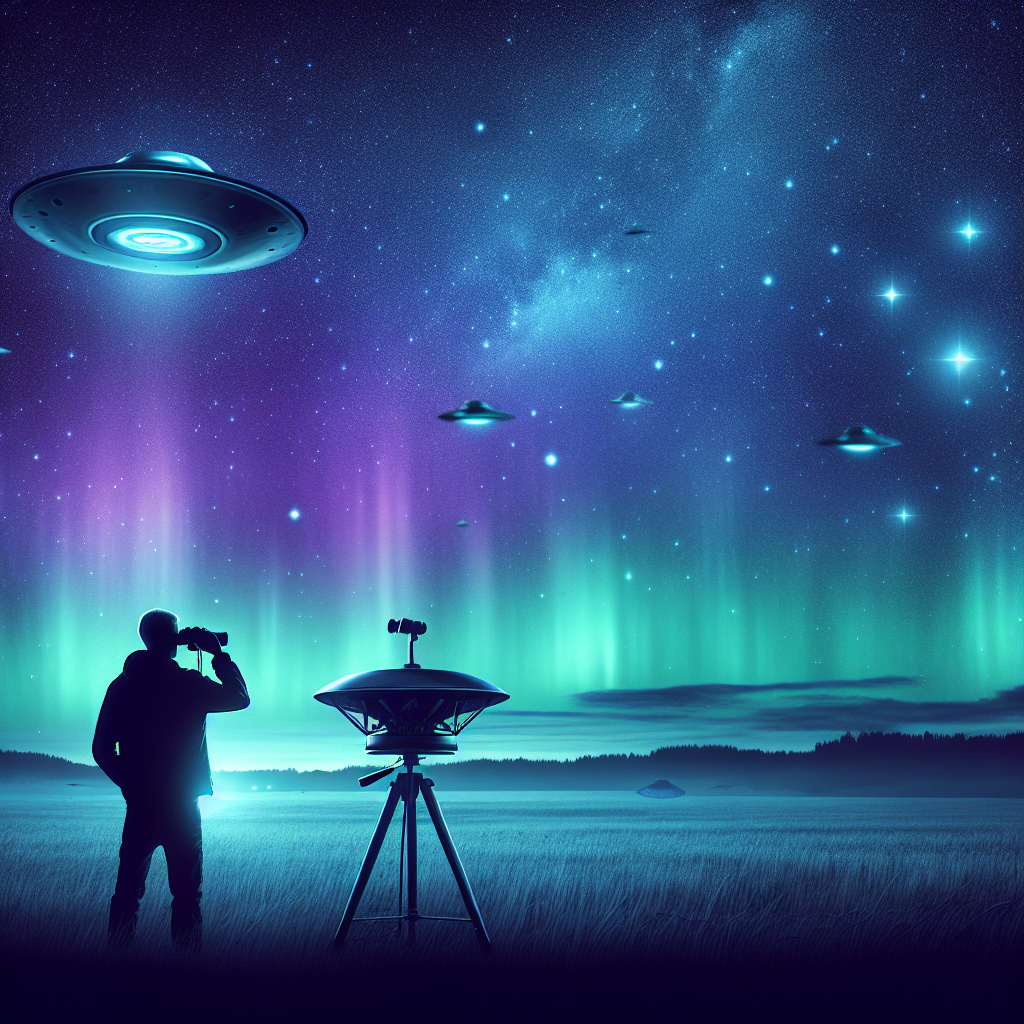
Introduction to UFO Tracking
The universe is vast, and the idea that we might not be alone is both thrilling and mind-boggling. UFO tracking has become an increasingly popular hobby, driven by curiosity and the hope of uncovering the mysteries of the cosmos. But where do you start if you’re new to this field? This guide will provide you with essential knowledge and tools to begin your journey in UFO tracking.
Why Use UFO Tracking Devices?
While it’s possible to track UFOs with the naked eye or a simple telescope, using dedicated tracking devices offers several advantages:
🎯 Precision: UFO tracking devices are designed to detect and record data with high accuracy, providing you with reliable evidence of any sightings.
📡 Detection Range: These devices often have a broader detection range than human senses, allowing you to monitor larger areas of the sky.
📈 Data Recording: Most devices come equipped with features to record and analyze data, helping you identify patterns or anomalies in UFO activity.
Types of UFO Tracking Devices
There are several types of UFO tracking devices available for enthusiasts. Here are some of the most common:
1. Night Vision Cameras
Night vision cameras are excellent for capturing images and videos in low-light conditions. They enhance your ability to spot UFOs that might be invisible to the naked eye.
2. Infrared Cameras
Infrared cameras detect heat signatures, which can be useful in spotting UFOs that emit heat or have unusual thermal patterns.
3. Radar Detectors
Radar detectors can pick up on unidentified objects moving at unusual speeds or altitudes, offering another layer of detection capability.
4. Radio Frequency Scanners
These devices monitor radio frequencies for any unusual signals that might be associated with UFO activity.
How to Get Started
Ready to jump into the world of UFO tracking? Here’s how to get started:
1. Research and Choose Your Equipment
Start by researching the different types of UFO tracking devices. Consider your budget, the features you need, and the type of UFO activity you’re interested in tracking.
2. Set Up Your Equipment
Once you’ve chosen your equipment, it’s time to set it up. Ensure your devices are calibrated correctly and positioned in a location with minimal light pollution.
3. Join a Community
Connecting with other UFO enthusiasts can be incredibly rewarding. Join online forums, social media groups, or local clubs to share your experiences and learn from others.
Tips for Successful UFO Tracking
🔭 Be Patient: UFO tracking requires patience. You might spend many nights without spotting anything unusual, but persistence is key.
🌌 Document Everything: Keep a log of your tracking sessions, noting the date, time, location, and any unusual activity. This can help you identify patterns over time.
🔬 Stay Skeptical: Not every strange sighting is a UFO. Always consider other possibilities and analyze your data critically.
Conclusion
Using UFO tracking devices can be an exciting and fulfilling hobby for anyone fascinated by the unknown. By understanding the types of devices available and how to use them effectively, you can embark on your own journey to explore the skies and maybe even uncover some of the universe’s secrets. So, grab your equipment, head outside, and keep your eyes on the stars! 🌟
FAQs
Q1: Do I need any special skills to start UFO tracking?
A: No special skills are required to start UFO tracking. A keen interest in the subject and a willingness to learn are all you need.
Q2: Is UFO tracking expensive?
A: The cost can vary depending on the equipment you choose. There are options available for all budgets, from basic cameras to advanced radar detectors.
Q3: What if I don’t live in a rural area?
A: While rural areas often have less light pollution, you can still track UFOs in urban settings. Just try to find a location with a clear view of the sky and minimal artificial light.
Q4: How can I verify my sightings?
A: Verification can be challenging, but documenting your findings thoroughly and comparing them with other sightings in your community can help validate your observations.
Looking for a side hustle
Check out one of the best around atm